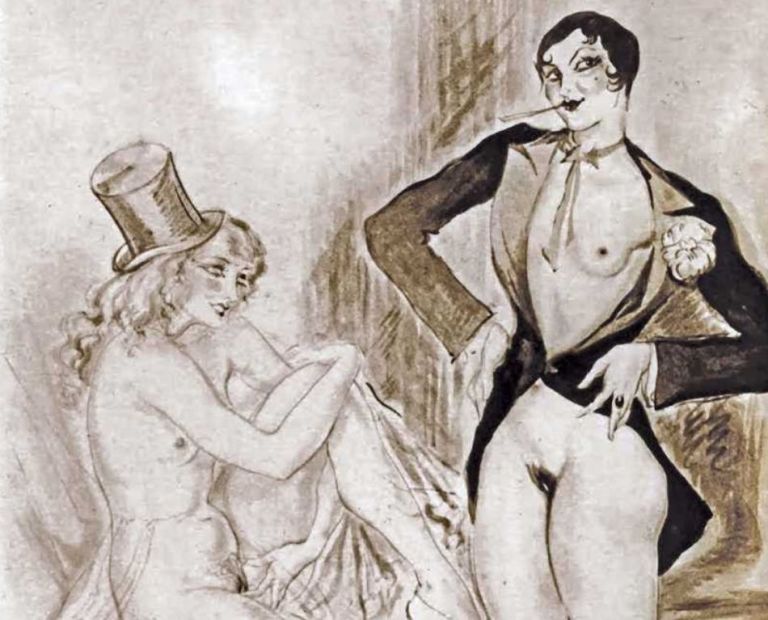
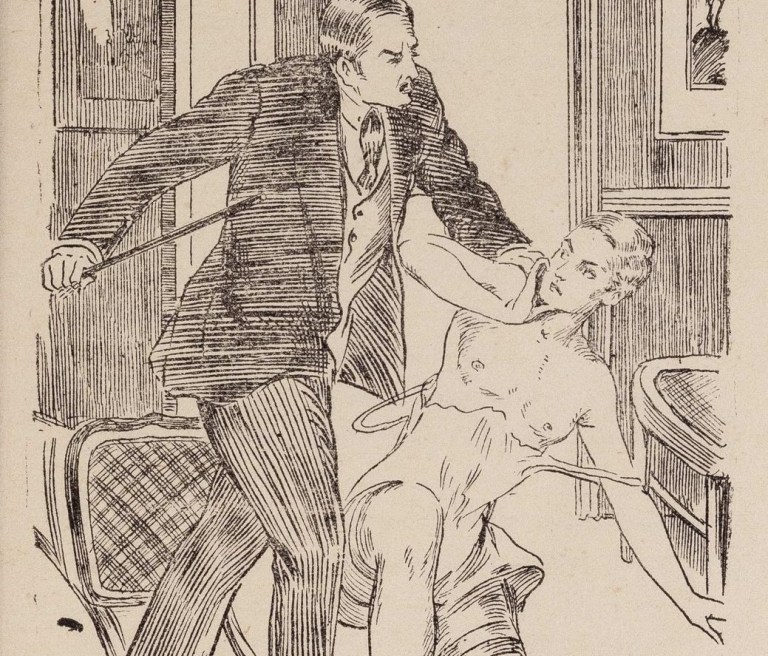
Erotic

Sensual illustrations capturing desire, nudity, fantasy and sexual tension.

  • James Alfred Meese

    James Alfred Meese (1917 – 1971) was an American illustrator best known for his dramatic paperback cover art during the 1950s and 1960s. Little is publicly documented about his early life, formal education, or personal background, biographical sources consistently note the scarcity of information beyond his professional output. Meese’s career…
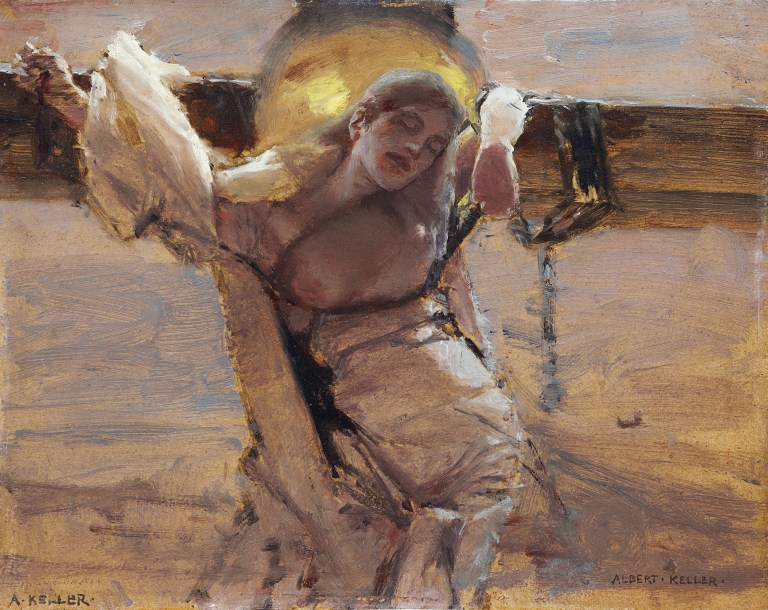
  • Albert von Keller

    Albert von Keller was born on 27 April 1844 in the small Swiss town of Gais, in the canton of Appenzell, but he would spend most of his life in Munich and become one of the city’s best-loved painters. At the age of ten he moved there with his mother,…

  • Johann Heinrich Füssli

    Johann Heinrich Füssli (1741 – 1825) better known in England as Henry Fuseli, was a Swiss-born painter, draughtsman, and art theorist whose dramatic and unconventional works made him a key figure in the Romantic movement. Originally trained as a theologian and preacher, he abandoned the church in 1764, embracing a…

  • Heinz Brandenberg

    Heinz Brandenberg is an obscure and largely undocumented name from the underground erotic art scene of the 1970s. Likely working under a pseudonym or artist name, the creator was active in German-speaking Europe, most probably Germany, Austria, or Switzerland, as shown by the frequent use of German captions and phrases…

  • Nicolas Sternberg

    Nicolas Sternberg (1901 – 1959) was a highly original and prolific Hungarian-born artist and illustrator whose career flourished in the vibrant artistic scene of interwar Paris. Born in 1901 in Nagyvárad (now Oradea, Romania, then part of Hungary), Sternberg showed early talent by contributing illustrations to Hungarian newspapers as a…

  • Fredi Trilogy

    The Fredi Trilogy is a rare and provocative series of three semi-autobiographical novels that trace the awakening of same-sex desire in a repressive society. Published by the Parisian house Librairie Artistique( known for its scandalous “kitsch novels”) the books were disguised as a “study in sexual inversion” to navigate censorship.For…