When a Familiar Silhouette Reappears
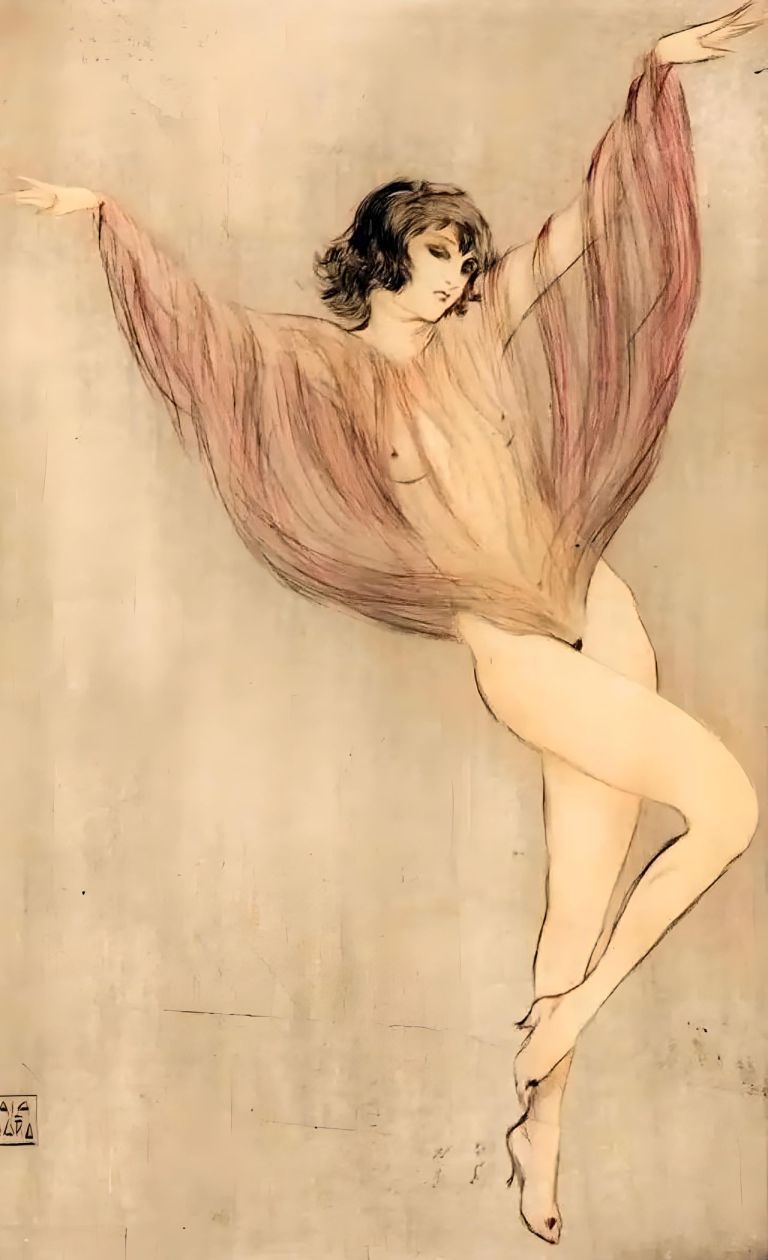
A few days ago I stumbled across a coloured artwork that felt oddly familiar. It turned out to be a coloured remake of an original piece by Wighead, and the subtle alterations opened a whole new layer of meaning.
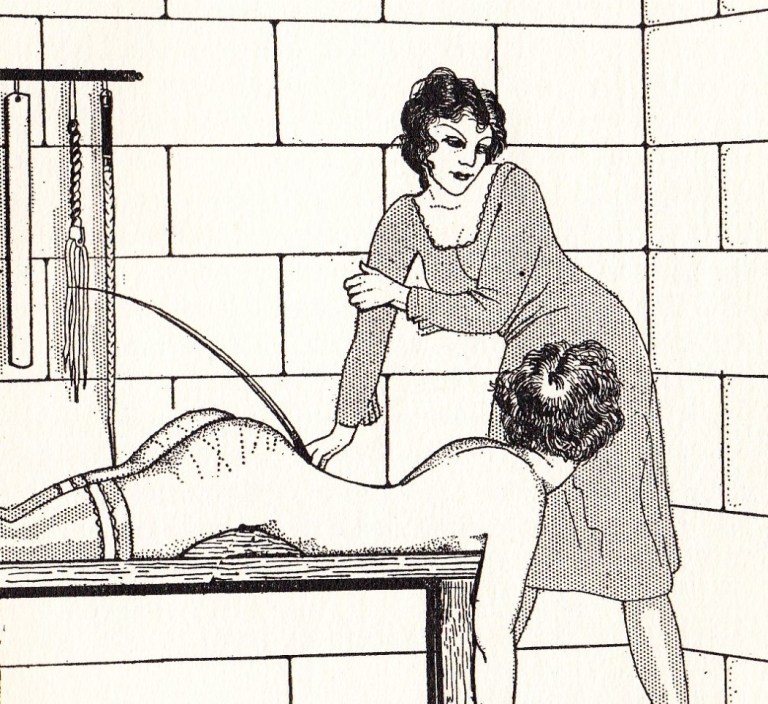
The Original Sketch – Wighead’s Curvy Model
- Visual snapshot: A charcoal drawing of a sinuous, exaggerated female form. The figure’s hips flare dramatically, the torso twists in a way that suggests both tension and fluidity. The sketch is rendered in stark monochrome, emphasizing line over colour.
- Key traits: The bold, curvy silhouette is the focal point; the loose, gestural strokes give the piece a raw, almost improvisational feel. The blouse in the original is loosely draped, its edges feathered by the artist’s hand, adding a sense of movement.
The Coloured Remake – A Fresh Palette, A Tamed Form
- Visual snapshot: The same composition, now flooded with a soft, pastel palette, muted pinks, gentle blues, and a wash of warm amber that highlights the skin tones. The model’s curves are subtly softened; the hips are less pronounced, and the overall posture feels more restrained.
- Key traits: The coloured version replaces the raw charcoal texture with smooth digital brushwork. The blouse, once loosely sketched, now appears as a crisp, fitted garment with defined seams, giving the figure a more polished, almost photographic presence.


What the Differences Reveal
Both works are anchored in the same iconic pose, yet the remake reinterprets the visual language:
| Aspect | Original (Wighead) | Coloured Remake |
|---|---|---|
| Line vs. Colour | Dominated by line; the absence of colour forces the eye onto form. | Colour becomes the narrative driver; shading adds depth and mood. |
| Curvature | Exaggerated, almost caricature‑like curves that celebrate bodily excess. | Curves are moderated, suggesting a more subdued, perhaps commercial, aesthetic. |
| Texture | Rough, sketch‑like texture conveys immediacy and intimacy. | Smooth, layered texture creates distance, turning the scene into a finished illustration. |
The shift from a raw sketch to a refined, coloured piece mirrors a broader dialogue in vintage BDSM art: the tension between primal expression and curated presentation. The original revels in the unfiltered energy of the moment; the remake, while faithful to the composition, reframes that energy through a contemporary lens of polish and accessibility.
Closing Thought
What does it mean when an artwork is resurrected in colour, its curves softened, its lines smoothed? Perhaps the answer lies not in the pigments themselves, but in the quiet negotiation between the artist’s original impulse and the audience’s evolving expectations. In that space, the familiar silhouette whispers a new story—one that is both a tribute and a transformation.