A Tale of Two Looks, One Lineage
While sorting through the archives I stumbled on a pair of pieces that seemed to be twins at first glance, yet each carried a whisper of a different hand.
The first image in this collection reads like a personal notebook entry rather than a polished publication. Rendered in stark black‑and‑white line work, it depicts a solitary figure bound in a classic rope‑hug. The rope is drawn with crisp, almost architectural precision, each coil is clearly defined, the tension visible in the way the strands press against the skin. The subject’s posture is deliberately restrained: shoulders hunched, head tilted slightly downward, eyes hidden behind a veil of shadow. There is no signature, no watermark, and no accompanying caption, which gives the piece an intimate, almost confessional feel, as if the artist slipped it into a personal sketchbook and never intended it for public view.
Why it matters
- Diary‑like quality: The lack of any formal attribution or title suggests the work was created for personal practice or experimentation, not for a commercial album.
- Technical focus: The meticulous rendering of the rope indicates the artist was studying the physics of bondage—how tension distributes across the body—rather than aiming for a narrative scene.
- Potential origin: Similar line quality appears in several other unpublished pieces on the site, hinting that the same hand may have produced a small, private series of “study” drawings.

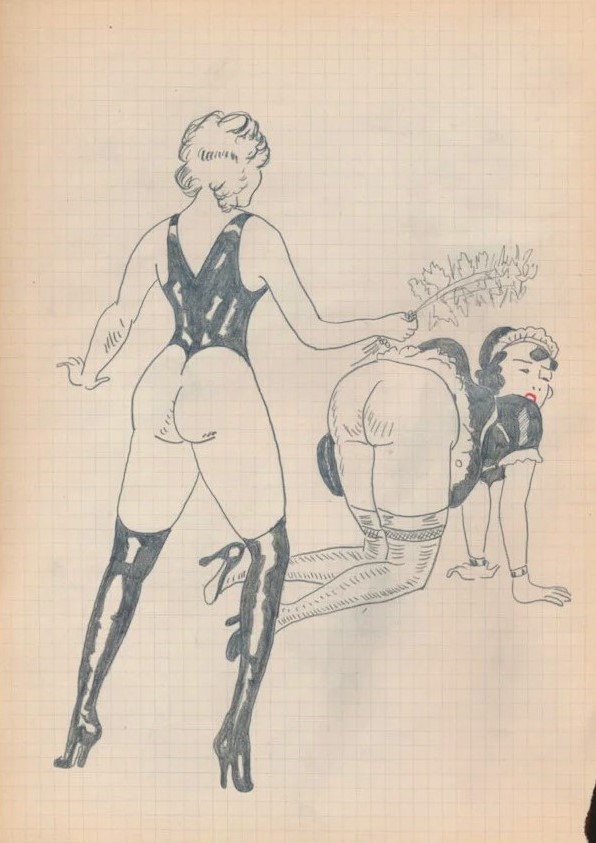
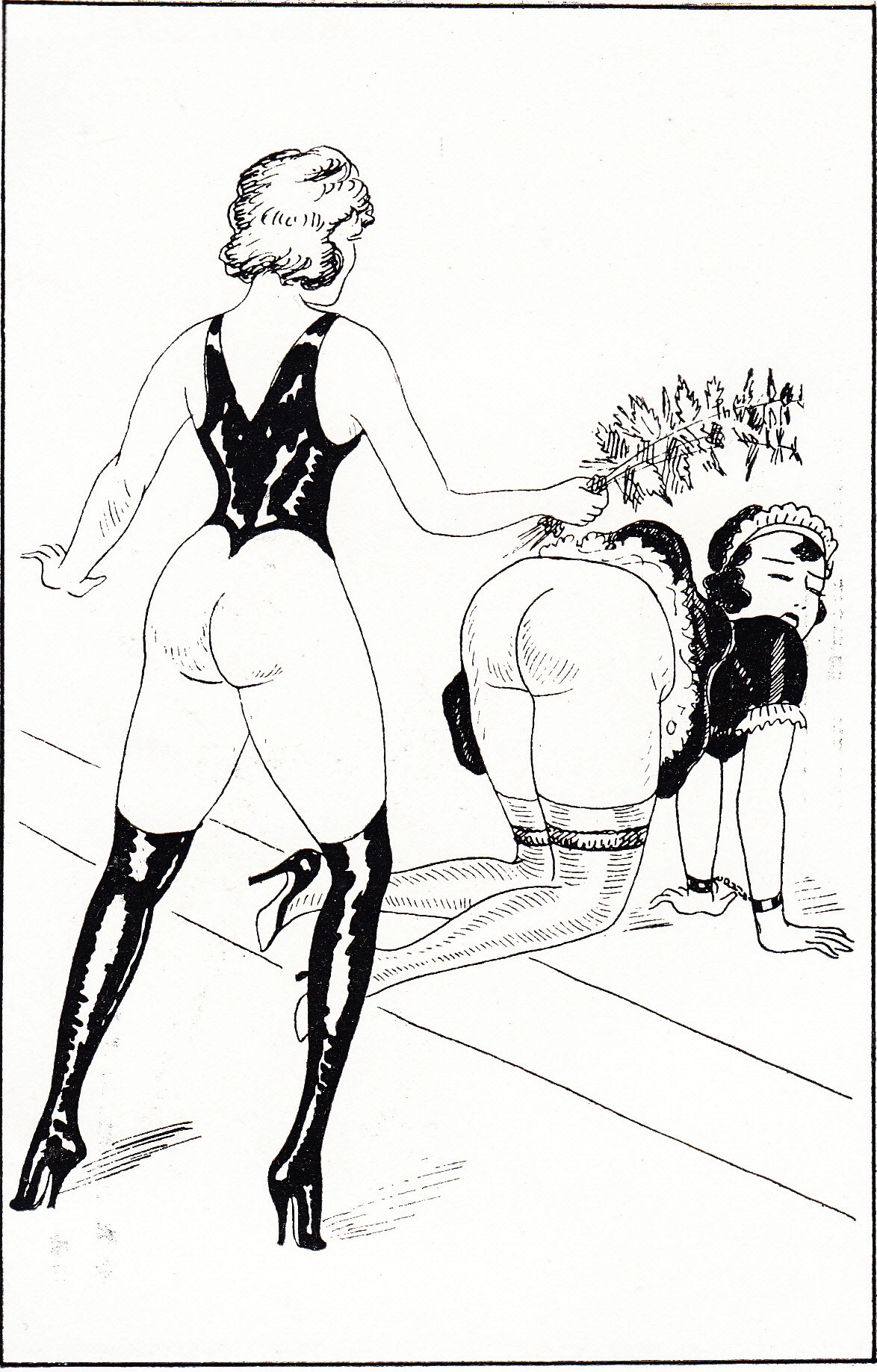
The Puzzle Unfolds (not)
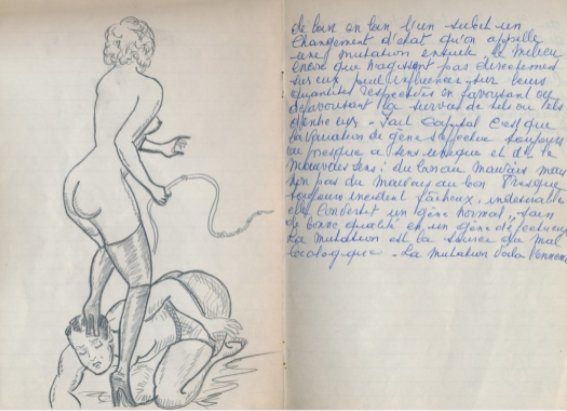
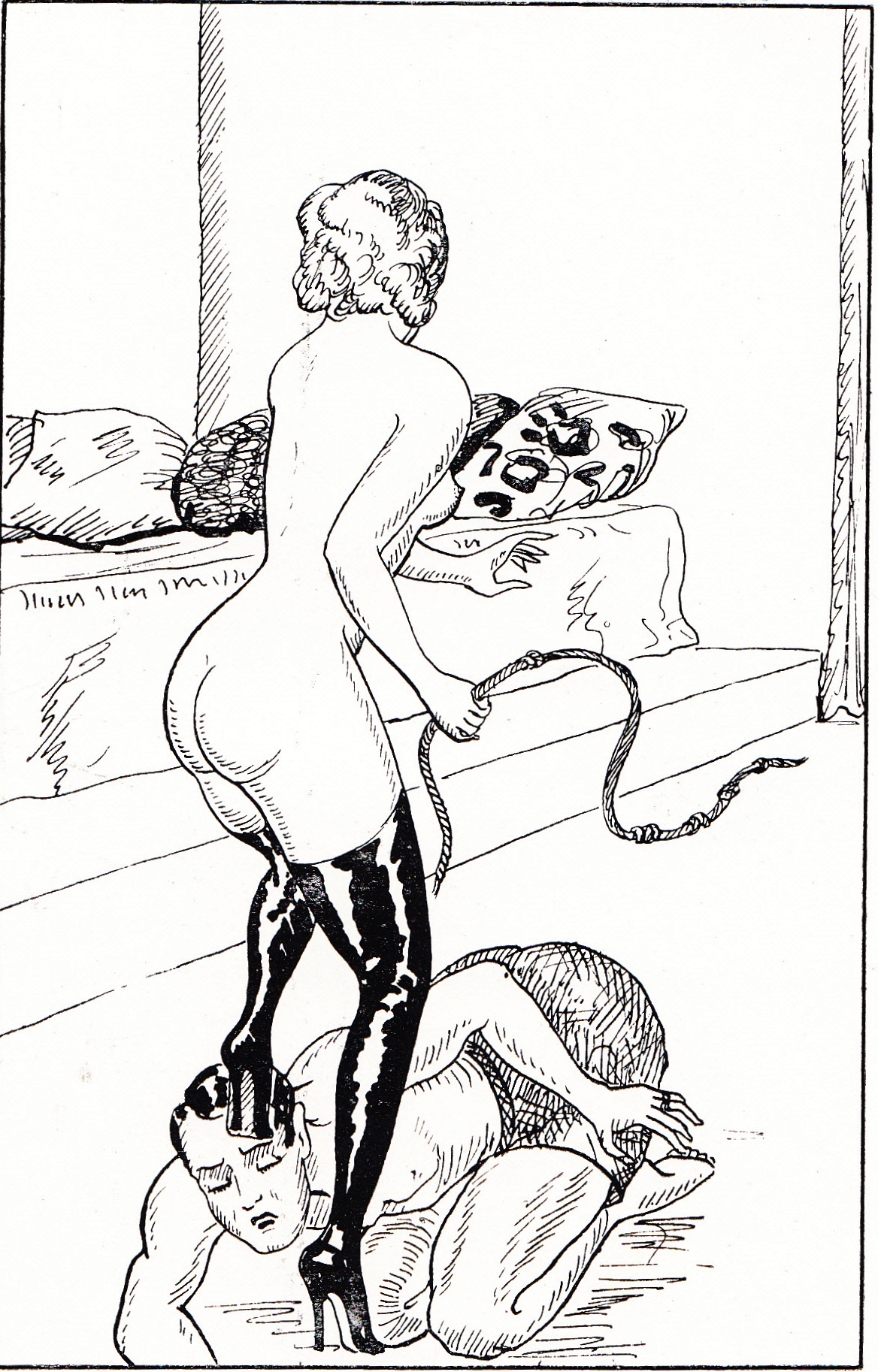
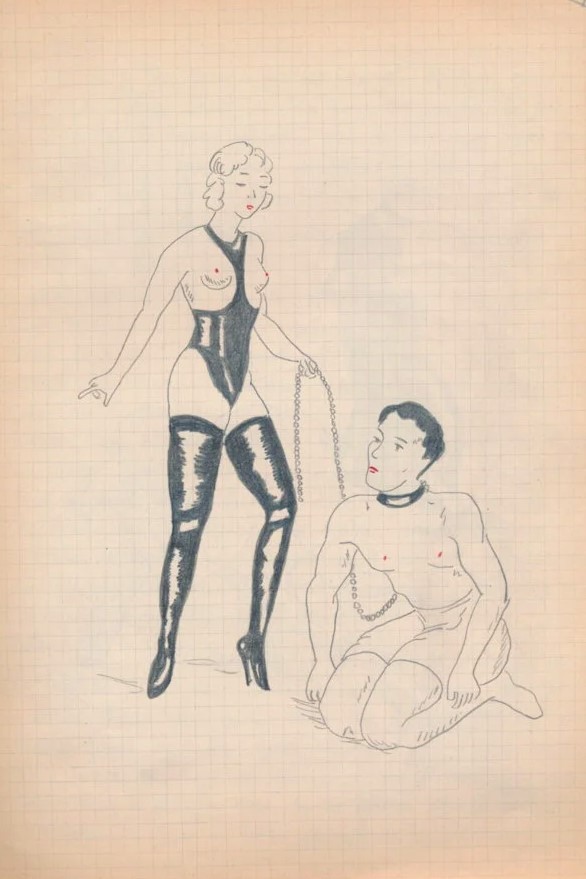
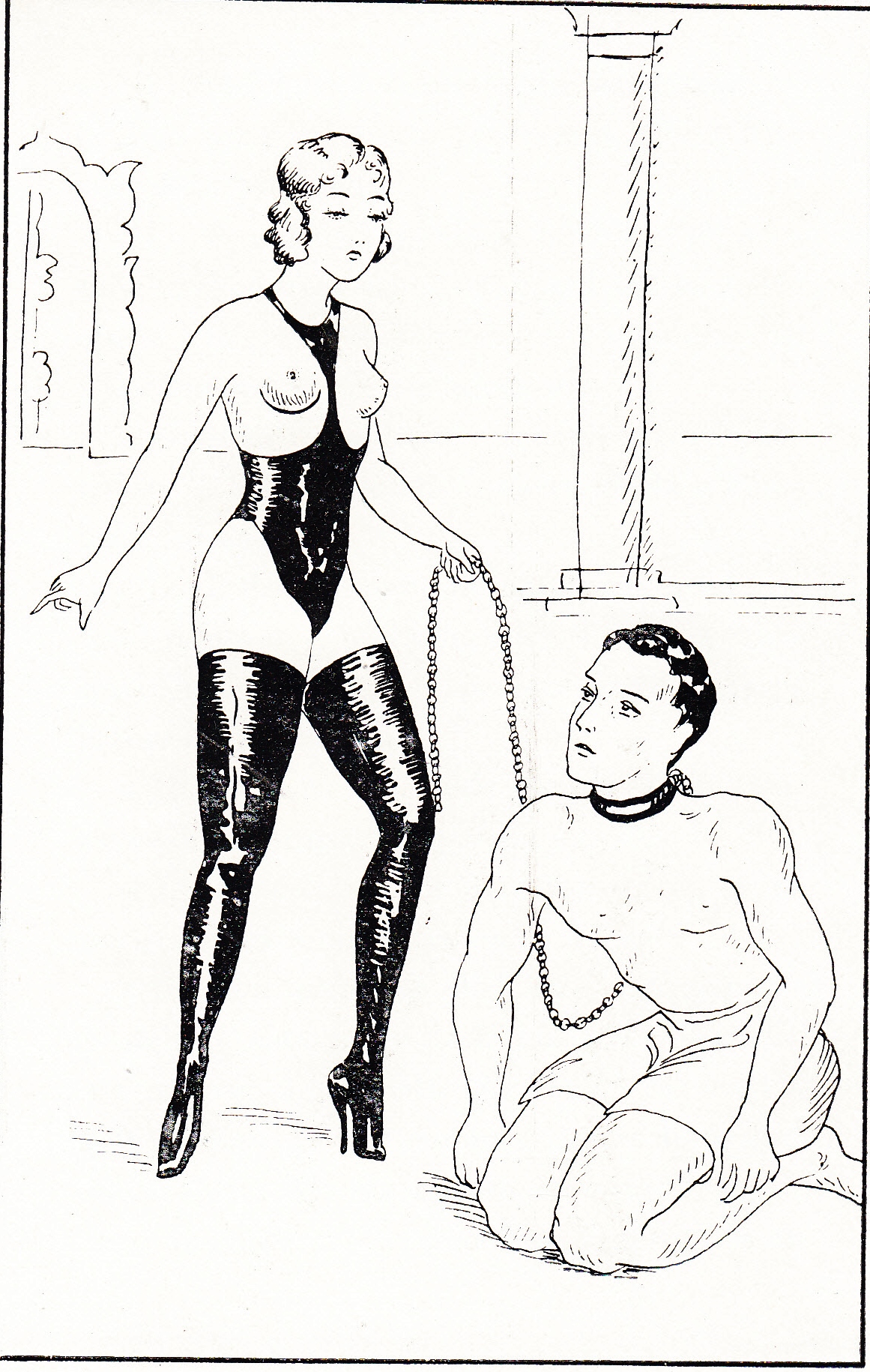
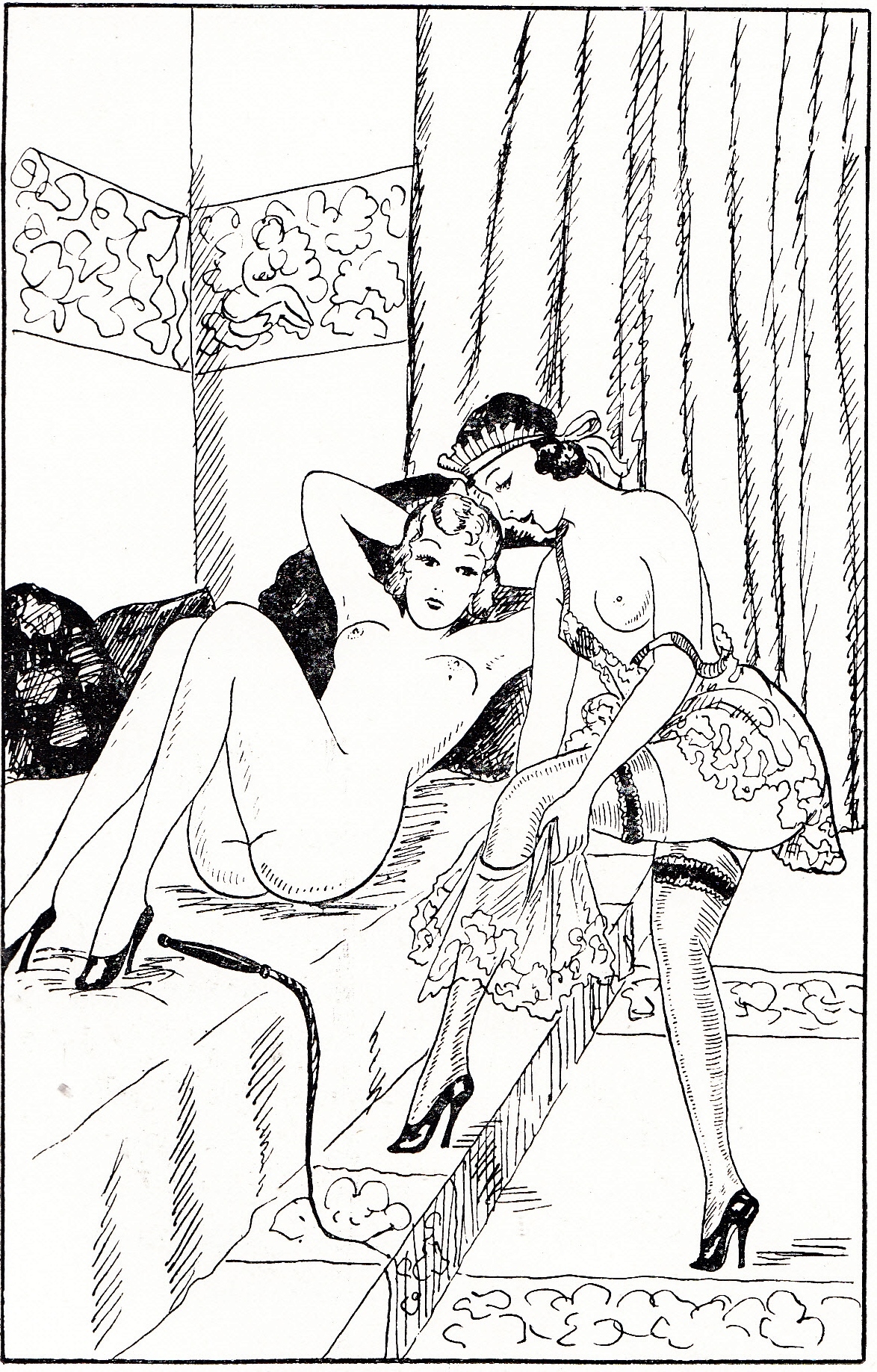
When diving into my archives I found some sketches that reminded me of art I had seen before. It made me wonder, were the drawings on grid paper copies of the original art by Kurtys, illustrations for the book La Princesse Sonia, published in 1932 ? Or were they practice work? The style differs from that artwork that appeared in the personal journal.
- Stylistic fingerprints – The tighter, more mechanical line work of the first piece feels like a master’s template; the looser, more gestural touches of the second hint at a learner’s hand.
- Context clues – All gridpapered images appeared in the same archival batch, listed under the same vague category (“BDSM illustrations”). That grouping could mean they were stored together because they belong to the same artist, or simply because they share a subject.
- Community input – A diligent fan of the site pointed out that several works previously labelled as belonging to a single creator had actually been mis‑attributed. In this case, the “copycat” label may have stuck because the first image was the one initially discovered and catalogued, while the second remained anonymous.
Closing Thought
When a piece lacks a signature, the mystery isn’t just about who drew it: it’s about how the community negotiates truth through visual evidence, comparative analysis, and collective correction. In the end, the “copycat” and the “practice” sketch become partners in a silent dialogue, reminding us that the lineage of an image is often richer, and more collaborative, than a single name can capture.
Interesting note
Many of the artworks from Kurtys reminded me of photos I have seen taken by Biederer Studio. I am still trying to connect art to photos (if I do so I will let you know).
Additional note
The text that was written in the notebook where the first artwork appears seems to have no connection with the artwork itself. It is a French text in handwriting and seems to be about genetic mutation. I am still working on translating the French words.